
Blog

April 23, 2026
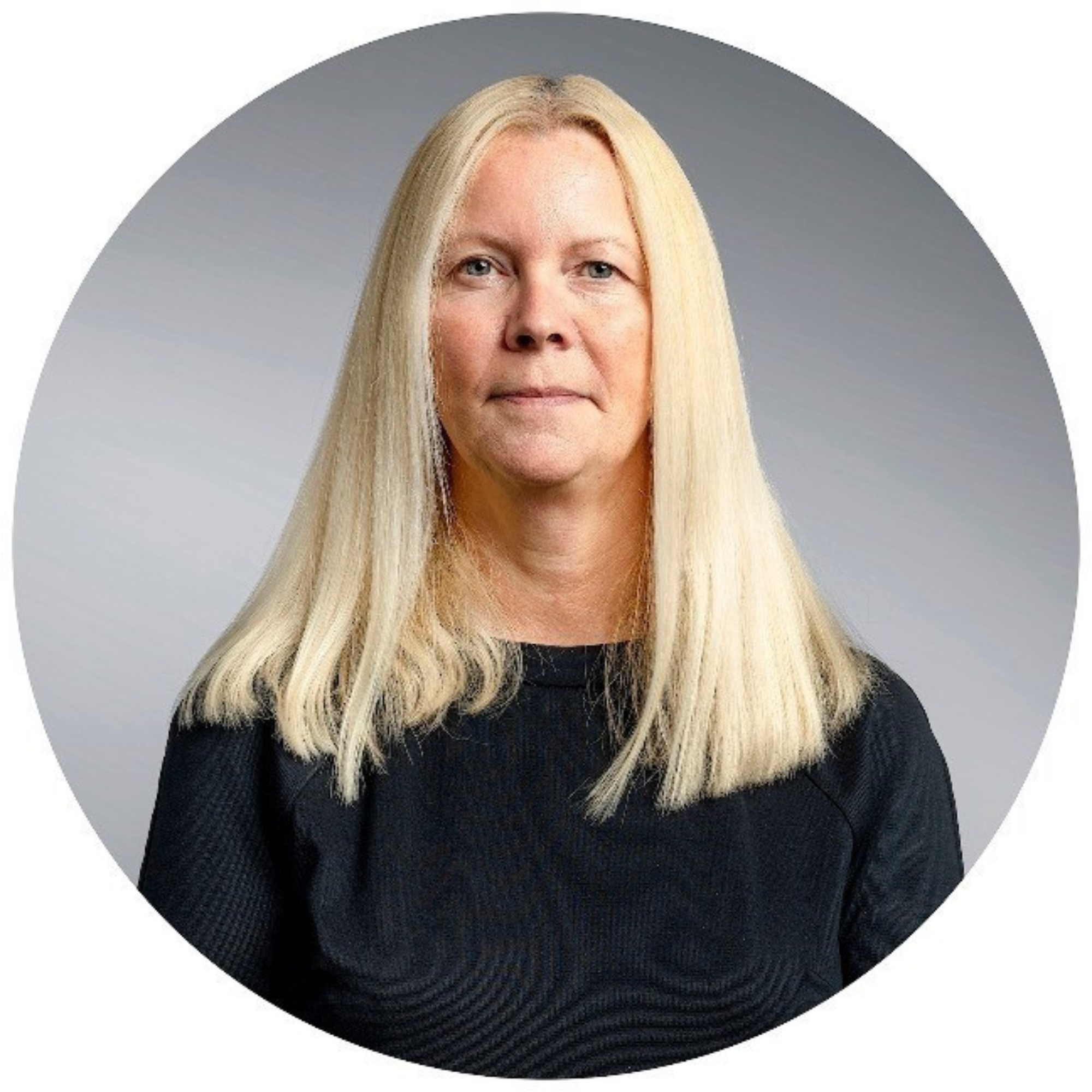
Sharon Pattinson started her career in payroll as an accounts office junior which wasn’t what she originally wanted to do but – in her words – “life has a way of throwing curve balls at you.
“Little did I know, that would be the start of a 20-year span in payroll and working in accounting firms with the last 13 at FFT in the centre of Manchester.
“It was a massive change going to FFT because they handle so many individual payrolls, director payrolls, etc. whereas I was used to doing just a few per month at my previous place.”
However, Sharon feels that young professionals nowadays don’t quite understand how dynamic payroll can be and she’s keen to get that message across.
In the last 20 years, Sharon says that auto enrolment is the biggest change she’s seen, but there have been several other developments that have significantly altered how payroll is managed.
It is no longer just a case of paying people accurately and on time.
Employers (and their accounting firms) now have to contend with a wide range of additional tasks and responsibilities that didn’t exist in the past.
One of the biggest shifts has been the increased focus on compliance across various aspects of payroll.
Employers must now keep track of who must be enrolled in pension schemes, who is eligible to opt in, when reassessments are due, whether contribution levels are correct, and whether records are detailed enough to satisfy The Pensions Regulator.
This shift has significantly expanded the scope of payroll functions.
“All of it creates an ongoing compliance burden rather than a one-off task and it’s difficult to stay on top of whether deductions are correct if people are on maternity leave or statutory sick pay, for example,” Sharon explains.
“The introduction of Real Time Information (RTI) by HMRC in 2013 added another layer of complexity, as employers now have to submit detailed payroll data to HMRC every time they run payroll, ensuring timely and accurate reporting.”
She also points out that the increasing number of flexible working arrangements, including part-time, zero-hours, and gig economy jobs, means pay can fluctuate more frequently.
“Their earnings can change from one pay period to the next, and that can affect pension contributions in ways that are not always straightforward. If you are dealing with fluctuating pay, changing worker status, or periods of leave, there is much more room for error.”
Additionally, the move towards digitalisation and the implementation of Making Tax Digital (MTD) for VAT, and the forthcoming MTD for Income Tax, adds pressure on employers and accountants to ensure their systems are up to date and compliant with the latest technologies.
“The introduction of MTD for VAT has already impacted how VAT is processed, and the upcoming MTD for Income Tax will likely affect how self-employed individuals and smaller businesses handle their payroll and taxes,” Sharon adds.
“That is what makes auto enrolment such a persistent challenge. It is not just about setting it up in the first place but making sure it continues to work properly every single pay run,” she concludes.
With payroll complexities increasing, from auto enrolment to Making Tax Digital, ensuring compliance can be overwhelming.
Sharon and our Manchester-based payroll team are here to help.
We specialise in managing these challenges, ensuring your payroll is accurate and up-to-date with the latest regulations and you can contact Sharon and the team today for a consultation or to ask any questions – we’re here to help!


Freedman Frankl & Taylor is the trading name of FFT Limited.
Registered in England and Wales, Company number: 04510195
Registered to carry on audit work in the UK and regulated for a range of investment business activities by the Institute of Chartered Accountants in England and Wales
Manchester Accountants
A list of connected firms is available upon request at our registered office.